The Hyundai i10 is one of just a few city cars left on the market. When it launched it had a good half a dozen alternatives but since Volkswagen, Citroen, SEAT, Ford, Vauxhall and many others have stopped making their smallest models, it’s left with just the Kia Picanto, the Toyota Aygo X, and to a lesser extent the Fiat 500 Electric and Dacia Spring as compact alternatives.
It’s a bit like one of those persistent garden plants - even when the flowers, the turf and all of the climbing roses have all died off, you’ll still have that one hydrangea that just won’t die.
Having very few other options does mean Hyundai can capture a bigger slice of the market, but it’s not a dead cert. The i10 isn’t priced much lower than larger cars such as the Renault Clio or MG3, and both of those cars can boast much more interior room, greater levels of tech, and more sophisticated hybrid engines.
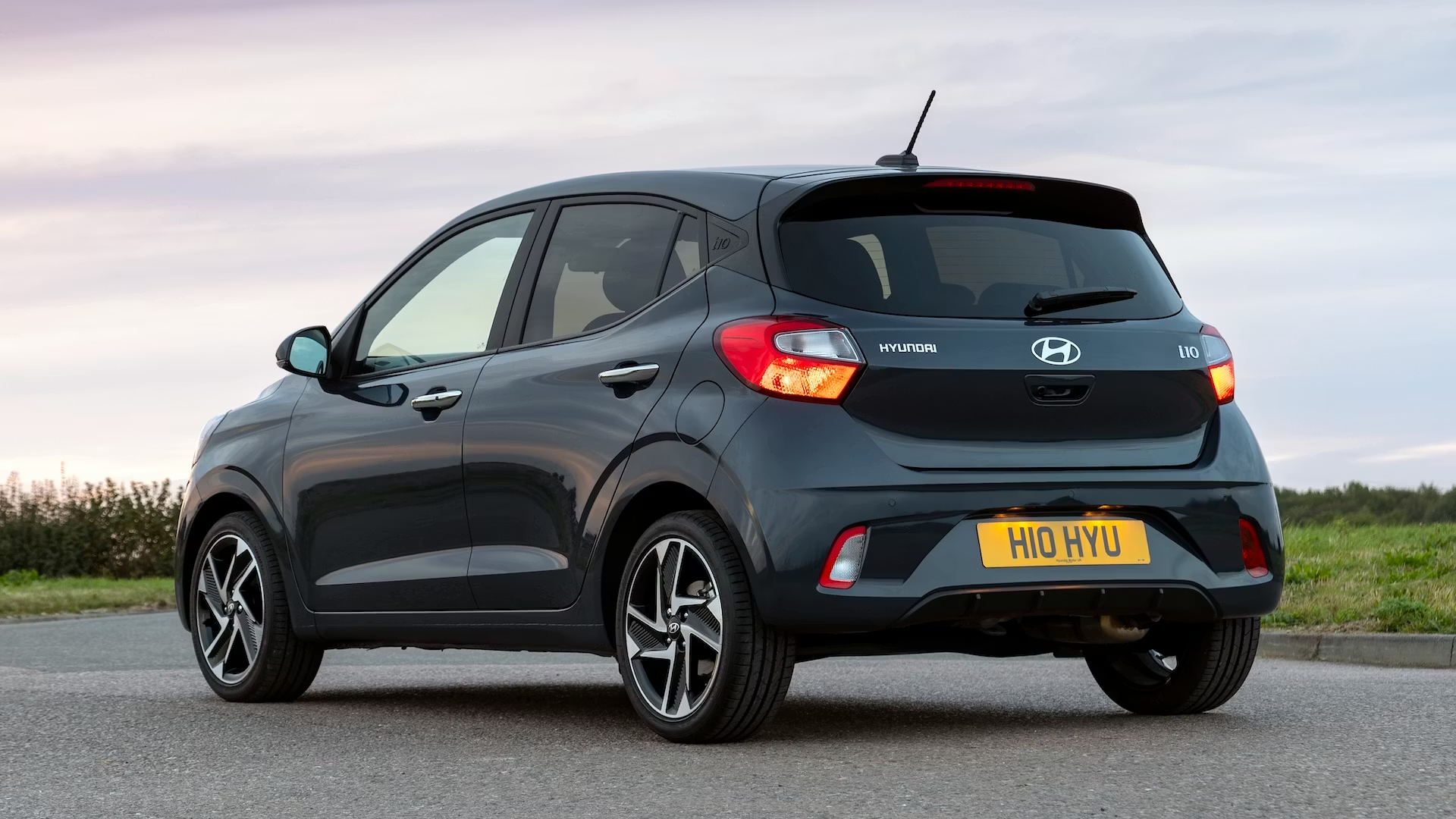
Neither looks quite as good as the i10, though. There’s something very ‘right’ about its stance - with a wheel at each corner, angular headlights and plenty of sporty-looking detailing. Cool checkerboard-style LED daytime running lights sit in the grille, or if you step right up to the top-spec model you get racy red detailing and vertical strakes for lighting.
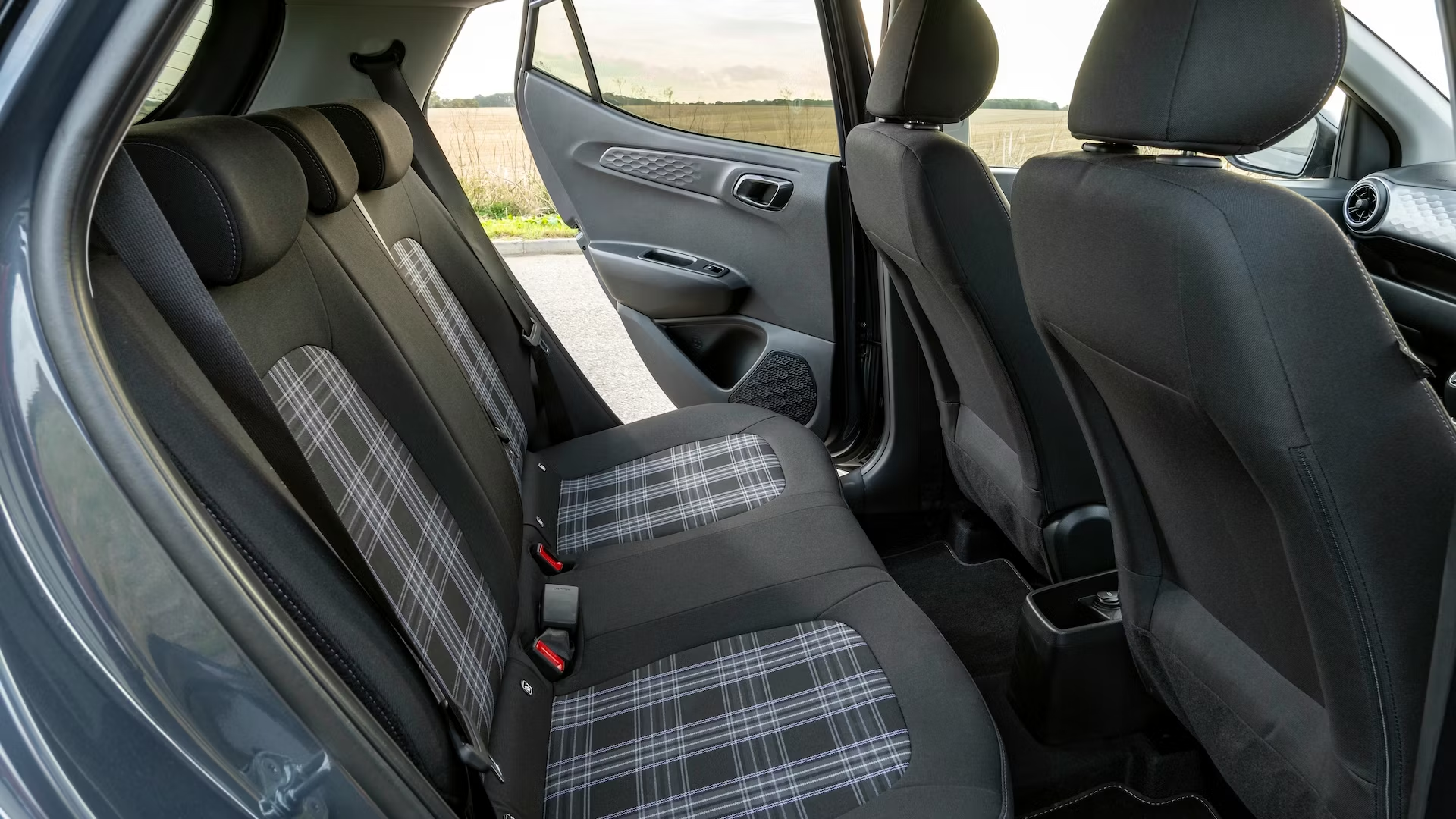
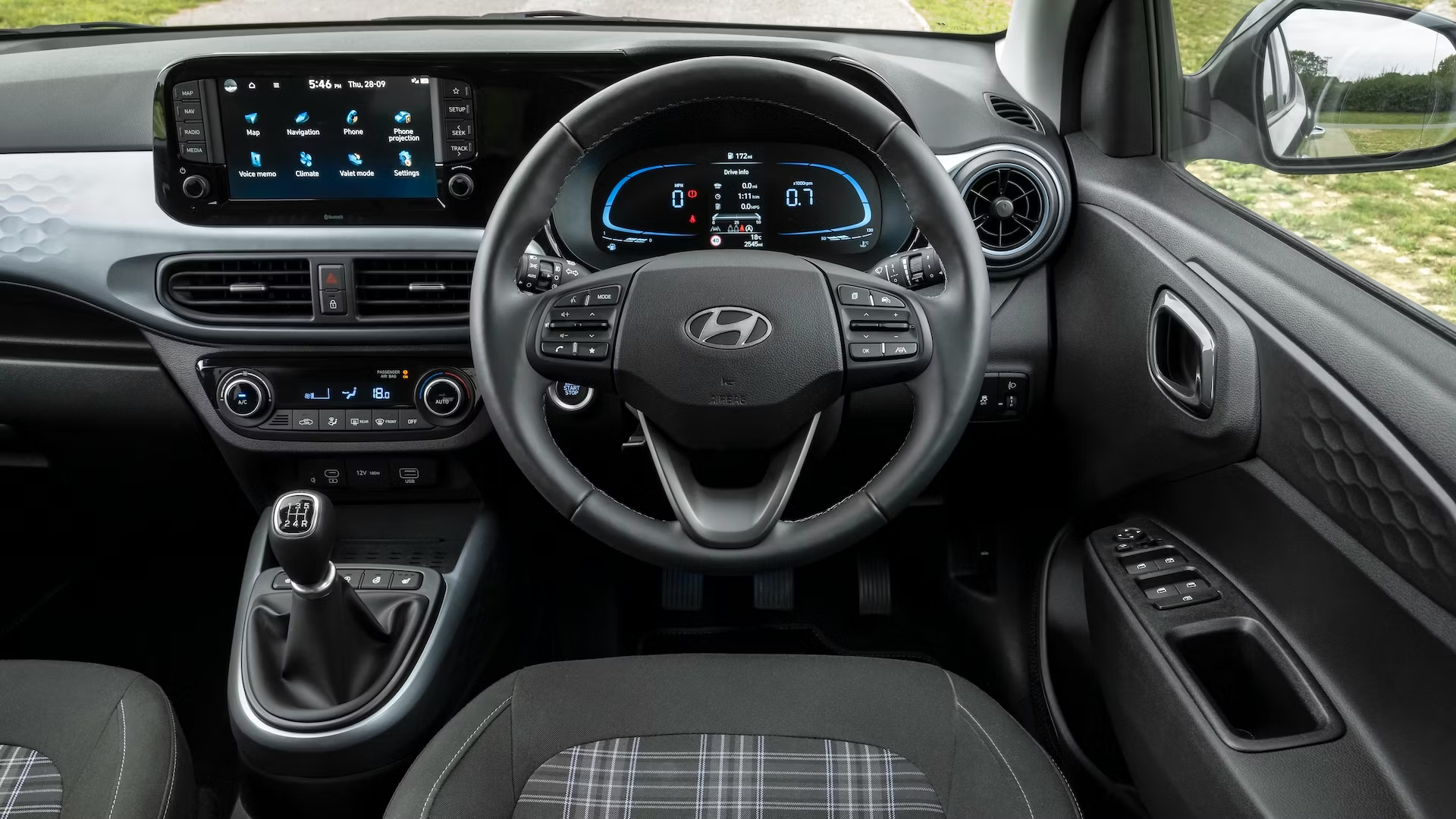
The i10 makes a good impression on the inside, too. Though it’s built to a price, Hyundai has given lots of the materials interesting textures that make them feel more expensive than they are. All the switchgear also feels really good to use, and there’s plenty of it - all i10’s get a full physical climate control panel, as well as lots of shortcut keys down either side of the touchscreen infotainment system. It makes everything very easy to use.